SQL Sub Queries: An In-Depth Look at Their Uses and Limitations
Structured Query Language, or SQL, is a programming language used to communicate with databases. It is used to retrieve, update, and manage data within a relational database management system (RDBMS). One of the most powerful features of SQL is the subquery. A subquery, also known as a nested query, is a query that is embedded […]
Understanding SQL CTE: A Comprehensive Guide for Beginners
If you’re just starting to learn SQL, you might have come across a term called “CTE.” CTE stands for Common Table Expression, and it’s a powerful tool that can help you write more efficient and readable SQL code. In this article, we’ll explain what CTE is, how it works, and give you some examples of […]
Advanced SQL Windows Function Techniques
While basic SQL windows functions can be powerful, there are also more advanced techniques that can be used to gain even deeper insights from your data. Let’s take a look at some of these techniques. Partitioning One technique for using windows functions is partitioning. Partitioning allows you to divide your result set into subsets based […]
SQL Window Function: An Introduction
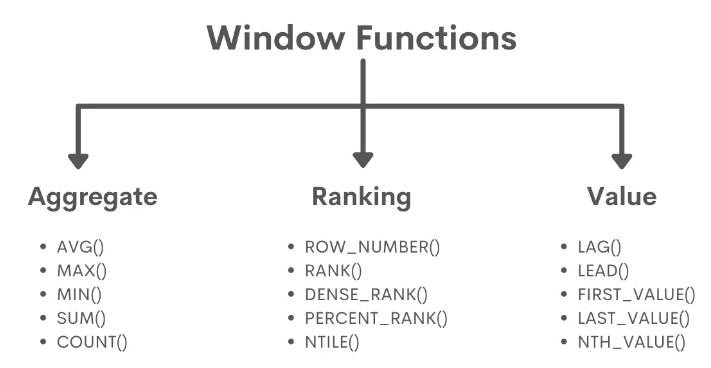
If you’re working with data using SQL, chances are you’ve come across the term “windows function”. While it may seem daunting at first, windows functions are a powerful tool that can help you gain valuable insights from your data. In this article, we’ll explore what windows functions are, how they work, and some common use […]
Mastering SQL Joins: Combining Data from Multiple Tables
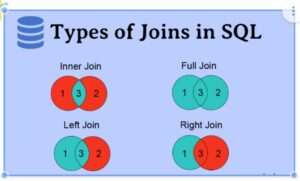
Structured Query Language (SQL) is a powerful tool used for managing data in relational databases. One of the key features of SQL is the ability to join tables together, allowing users to combine data from multiple sources into a single query result. In this article, we will explore the different types of SQL joins and […]
SQL Aggregation: An Essential Guide to Data Summarization
SQL aggregation is a vital aspect of data summarization and analysis. It allows users to perform calculations and summarizations on large sets of data, resulting in useful insights and information. SQL aggregation can be used to count, sum, average, find minimum and maximum values, and group data into categories. In this article, we will explore […]
SQL Data Filtering Made Simple: Learn How to Filter Your Data with Ease
Are you new to SQL and looking to learn the basics of data filtering? Data filtering is an important concept in SQL that allows you to extract specific data from a table or database. In this guide, we’ll cover the basics of data filtering in SQL, including how to use the SELECT statement with WHERE […]
SQL Functions: An Introduction
SQL functions are a powerful tool that every developer, data analyst, and data scientist should have in their toolkit. Functions are used to perform operations on data stored in a database, such as calculating sums, finding minimum and maximum values, and manipulating text. In this article, we’ll explore the basics of SQL functions, including how […]
SQL Operations: Understanding the Basics and Beyond
Structured Query Language (SQL) is a programming language used to manage and manipulate relational databases. It is used to perform various operations on the data stored in databases, such as retrieving, inserting, updating, and deleting data. In this article, we will dive deeper into the world of SQL operations and explore the basics and beyond. […]
SQL Query Structure: A Comprehensive Guide
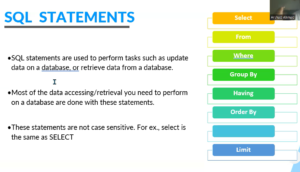
Structured Query Language, or SQL, is a powerful tool that enables users to manage, manipulate, and query data in relational databases. However, understanding the SQL query structure is critical for effective database management. In this article, we will take a closer look at the components that make up an SQL query and how to use […]